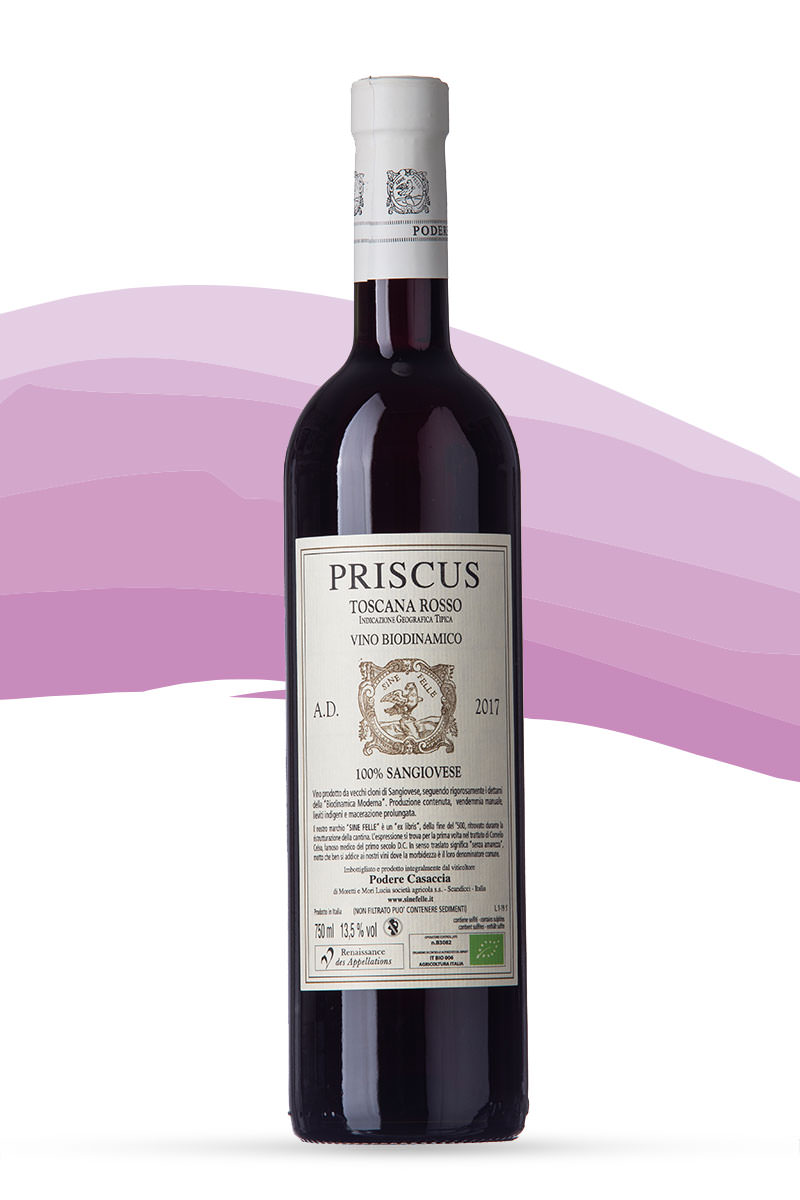
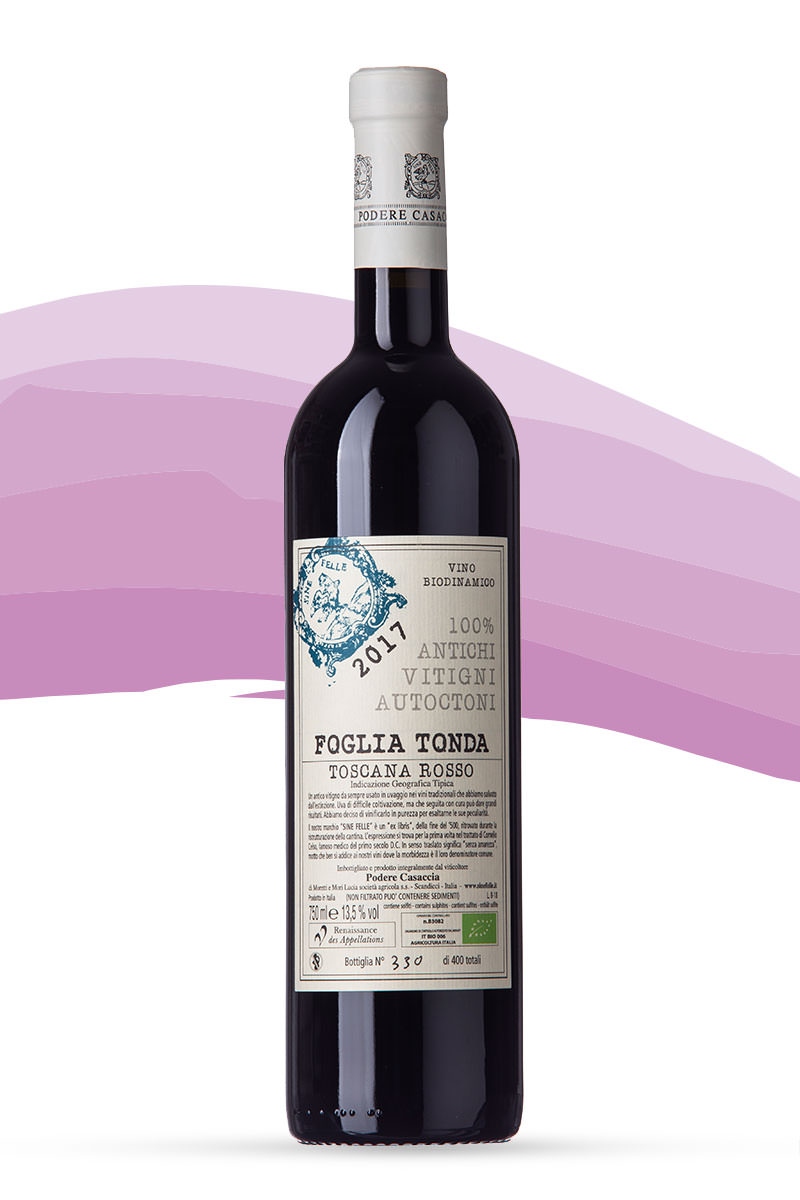
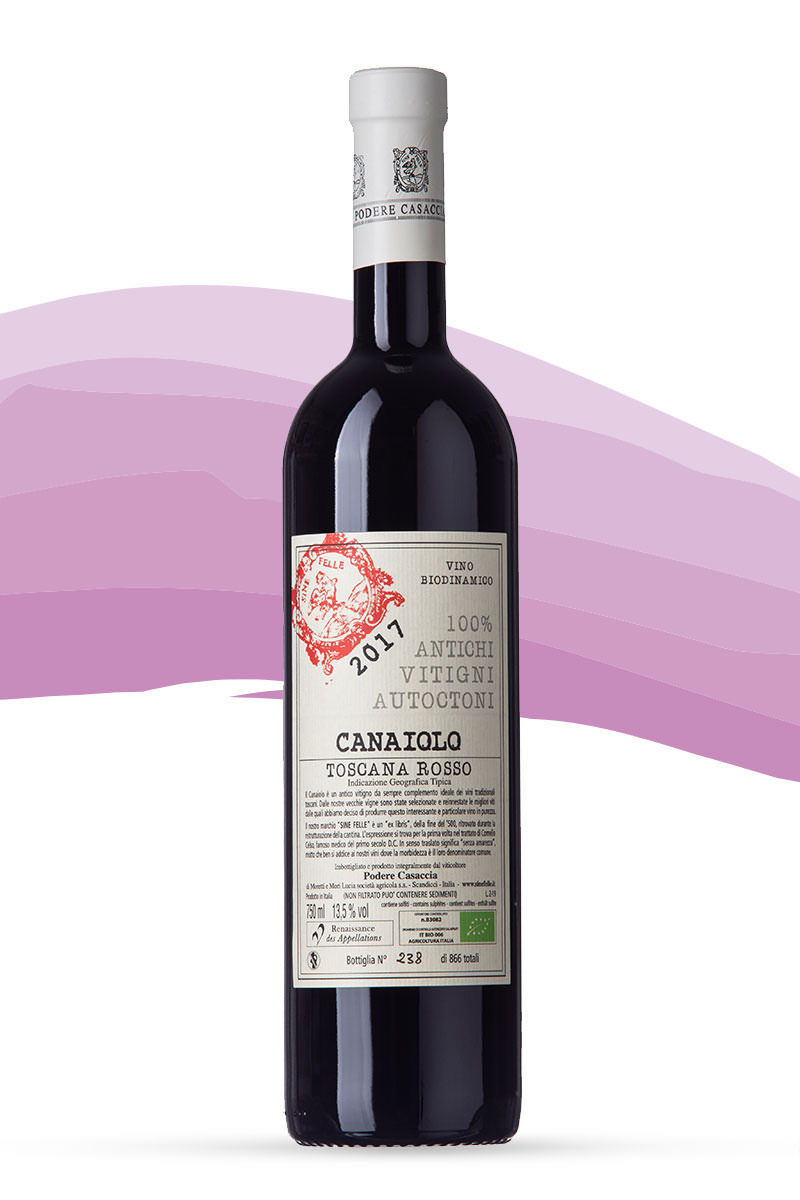
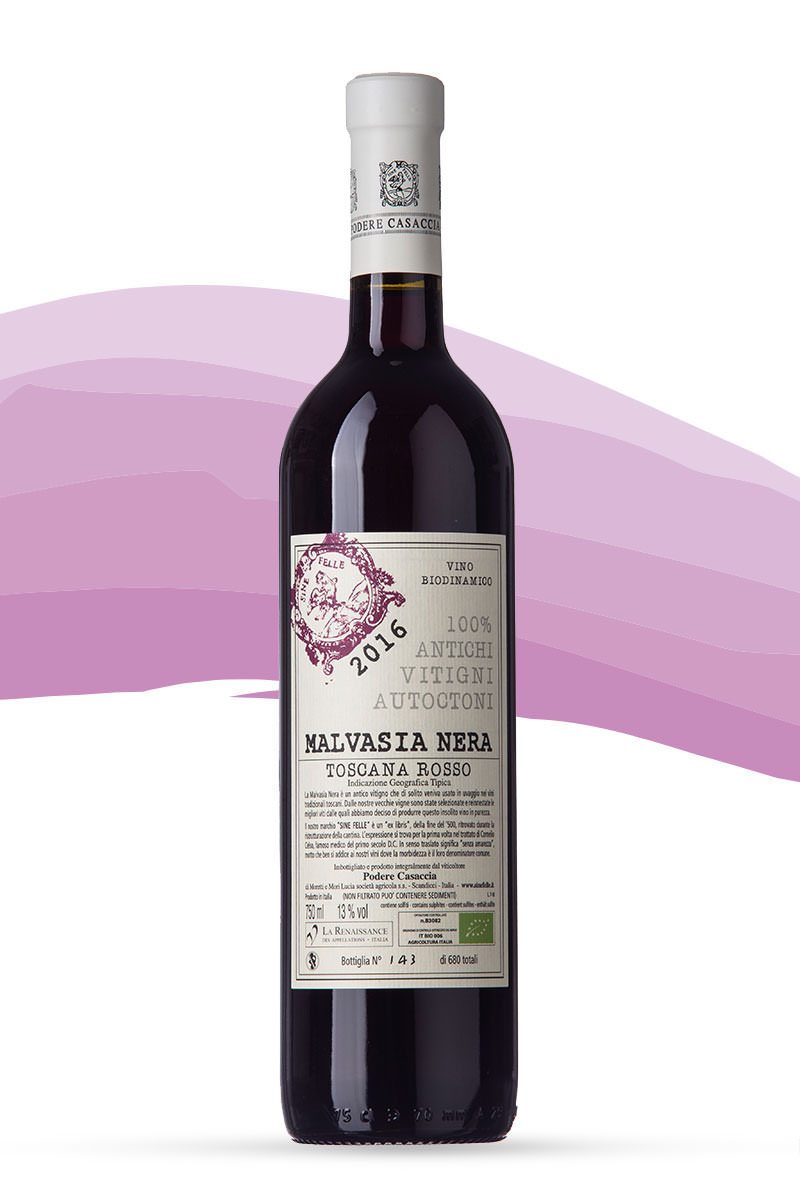
So, now we need to find something to dunk these new friends into.
Our next stop is at the overwhelmingly beautiful Podere Casaccia, in Scandicci, a town with over 50,000 people on the outskirts of the Florence Metropolitan area.
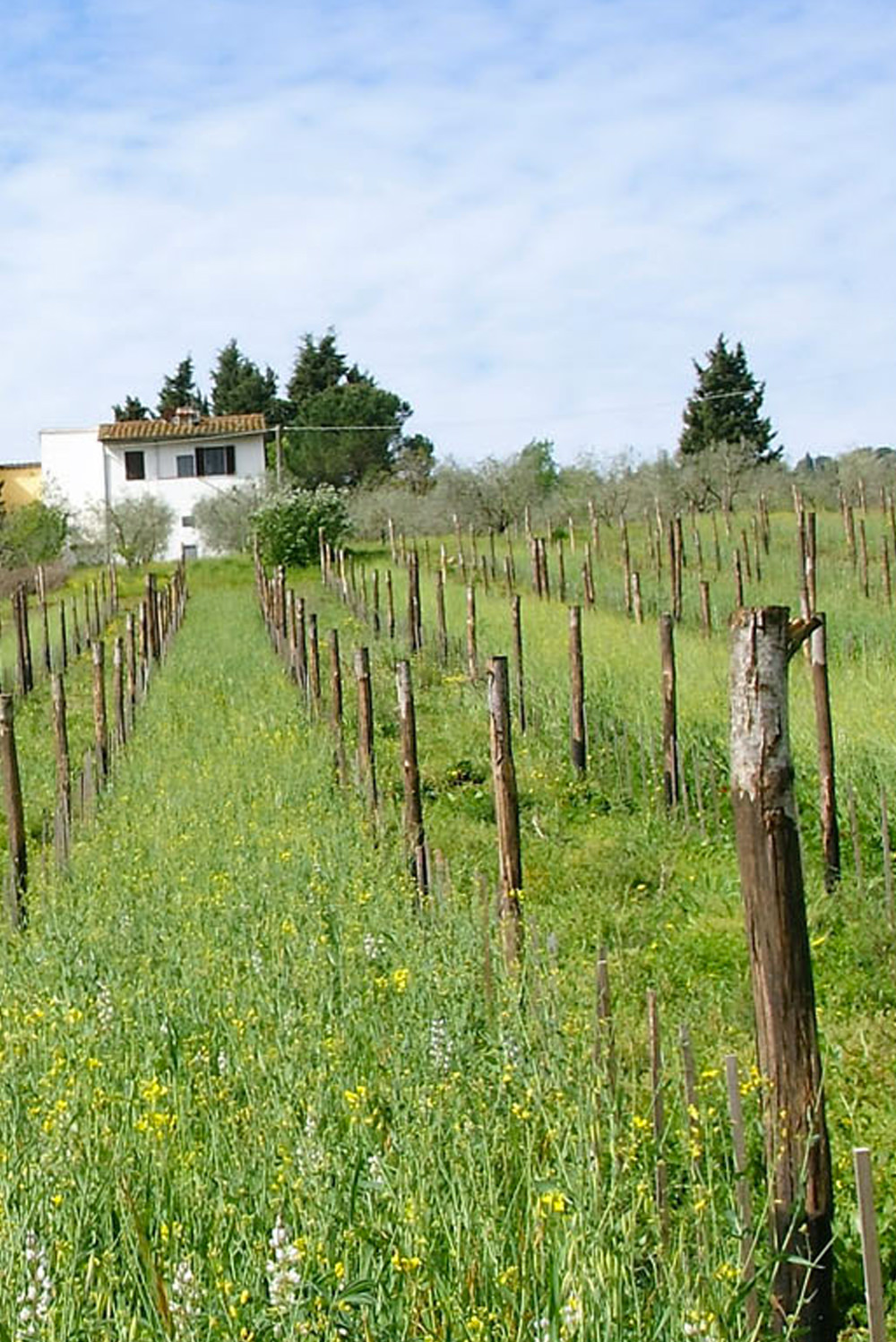
Lucia and Roberto welcome us onto their estate, a Renaissance villa with backing onto a hill covered in vineyards, cypress trees and olive groves. When Roberto (a doctor) and Lucia tired of the busy, noisy city, they purchased this estate and slowly restored it. They thought it would be a perfect retreat, and they planned to make olive oil from the abandoned looking grove when, totally unexpectedly, they found very old vines scattered around an area that looked like an abandoned field which had been reclaimed by bushes and trees.
So, it became their mission to bring the vineyards back to life. Indeed, they found varieties of grapes that were condemned to oblivion in the area, like Pugnitello and Foglia Tonda. They used the existing plants to clone and re-plant new ones, following the paradigms of “biodynamic agriculture”. The protocols are stricter than for organic agriculture, and on a rather small farm like Podere Casaccia there are not many opportunities for scale. ”
“It is a philosophical choice we made by accepting the fact that we human beings cannot understand the complexity of nature as a whole. Instead of trying to influence natural processes with the addition of synthetic chemicals, we try to follow the “messages” that nature sends to us. We want to make natural, healthy wines and olive oil, as close as possible to nature”, Roberto explains.
He shows us the oak barrels and steel vats where he makes wine. We taste his white, orange and rosé, right out of the barrel. Roberto says that they will be bottled in a month or so, when ready. He does not add any sulphites to his wines at all.
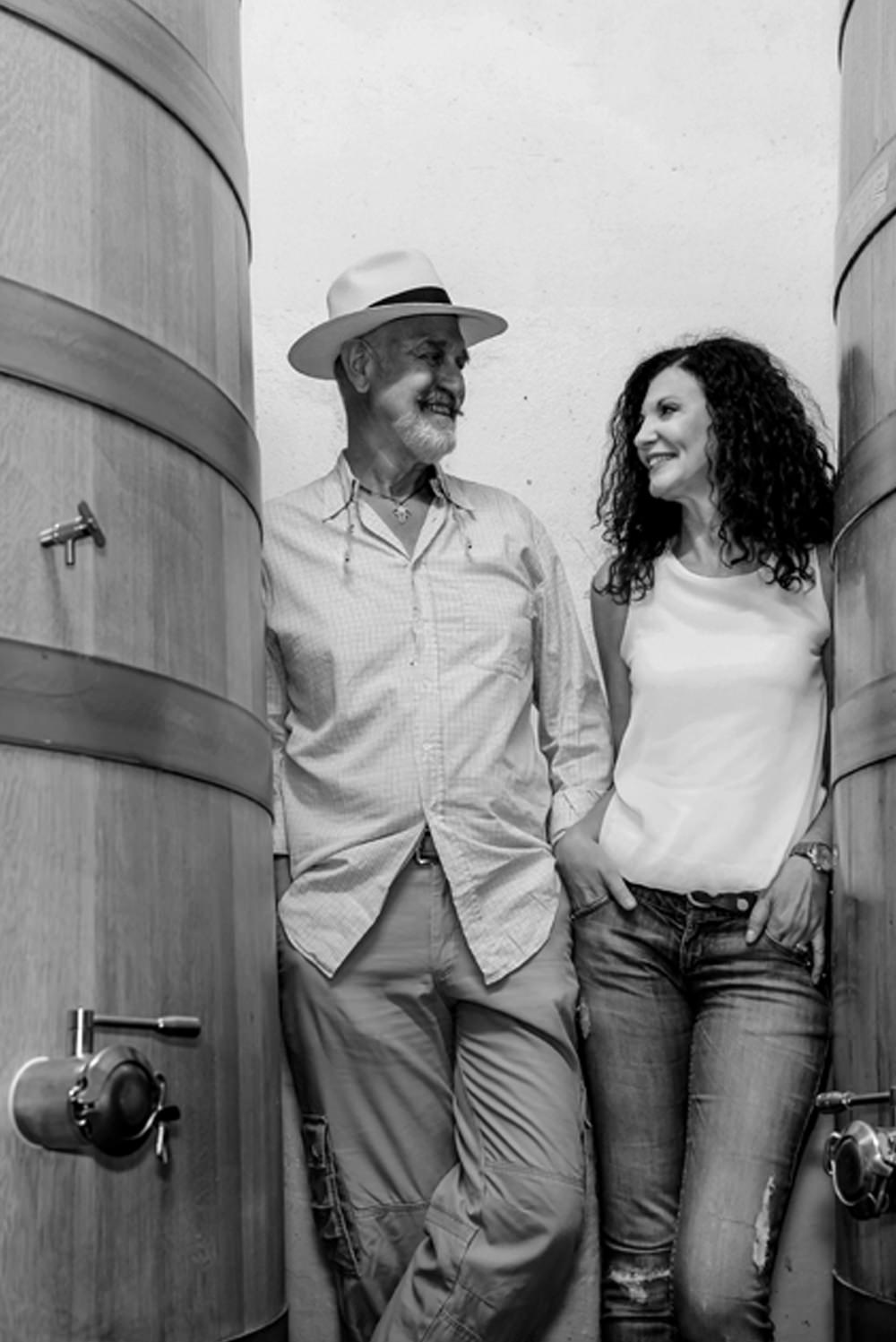
“Rather than adding sulphites and other ingredients, we take extra care of each step in the winemaking processes. When all the different grapes are crushed - which happens in a 30 - 40 day process depending on the variety - we allow for long macerations on the skin. To be effective, we ensure that the must and skins are kept in contact by moving them either with our hands or with long wood sticks every four hours, day and night”.
For all the different wines to be made, it takes about 90 days and nights with little sleep. It reminds me of the days when we had a newborn baby in the house!
An operator is washing an empty steel vat. Roberto explains that once dry, it will be filled with Argon gas and sealed. It is expensive, he says, but it is the only way to ensure that no bacteria form in the vats. In turn, this guarantees that there is no need for sulphites to control bacteria or yeasts when pouring in the crushed grapes. Impressive!
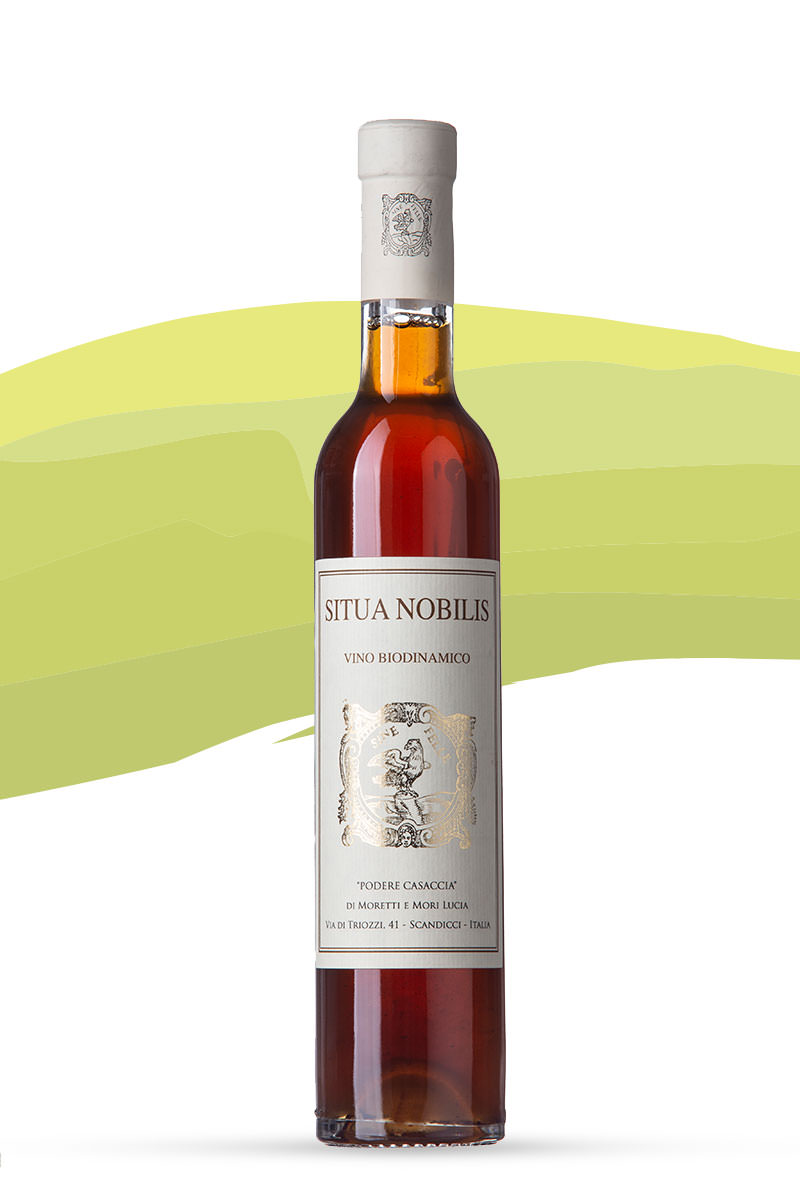
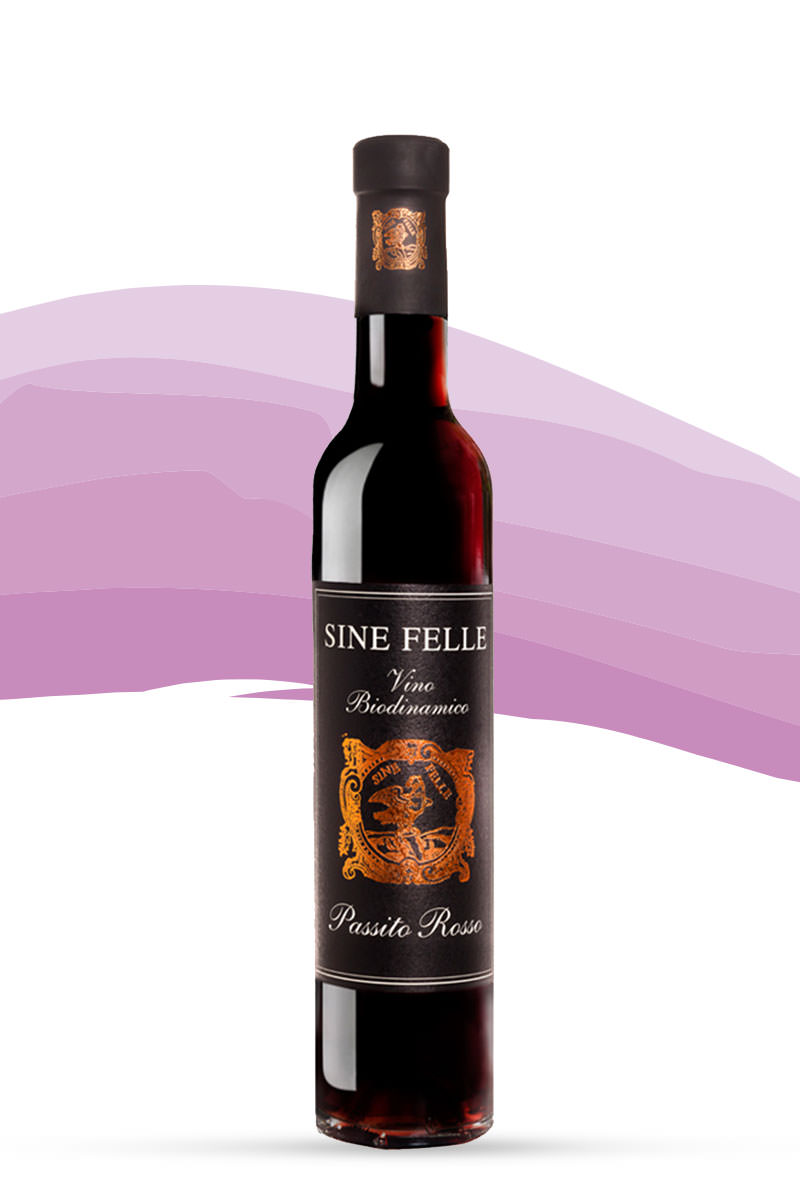
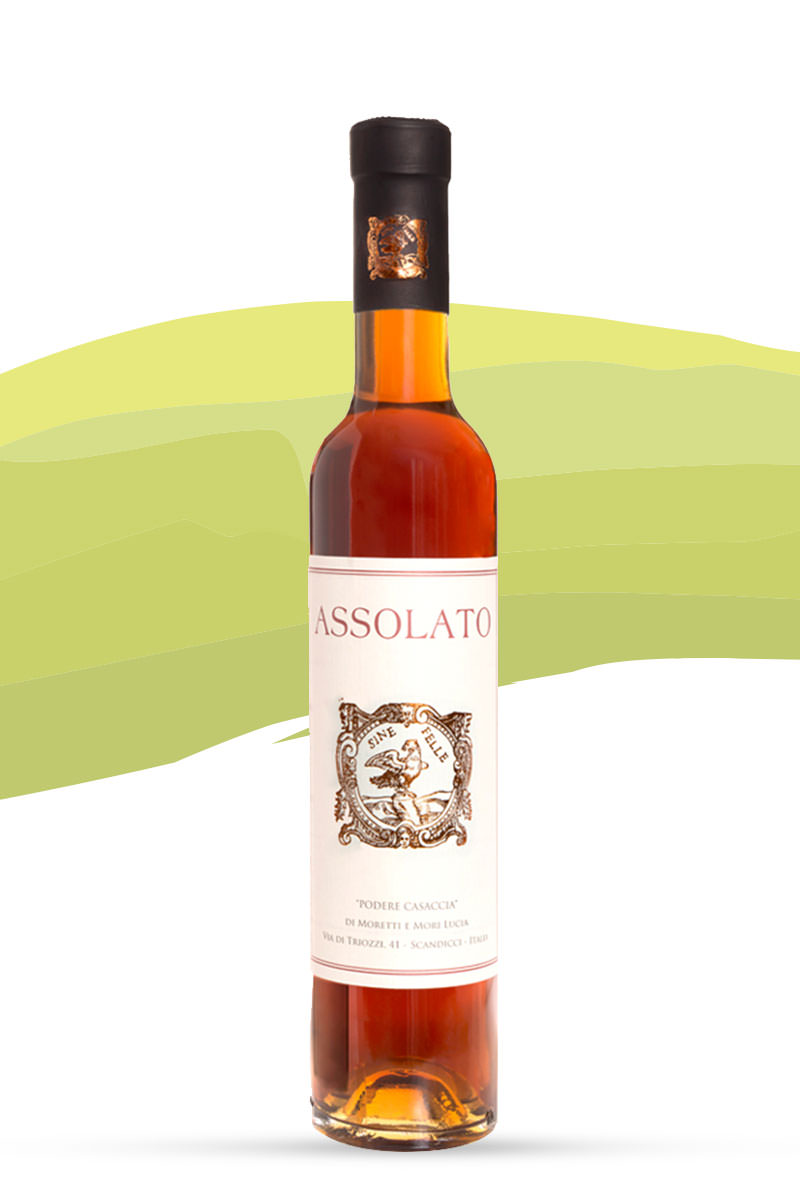
Then Lucia shows us their logo. After buying Podere Casaccia, they started clearing old stuff from the basement. Here they found a seal, with a griffin and the Latin words “sine felle”. Research proved that it is a quote from a medical treaty from the first century AD. Literally it means “without bile”, which stands for bitterness, sourness and/ or envy or glee.
“It inspired our winemaking and our lives”, Lucia tells us, we want to make wine and life that is not bitter or sour, as clean as it gets”. Quite a coincidence, considering that Roberto is a doctor turned winemaker!
So we tasted these “oh so different” wines with great curiosity and were overly satisfied!